If your dog is struggling with pain, you might wonder if you can reach into your own home medicine cabinet for solutions. Unfortunately, using human over-the-counter or prescription products for dogs is almost always a bad idea.
There are safe natural options to explore for your dog, however.
Products made for humans tend to be much stronger, made with non-dog-safe ingredients, and overwhelmingly unsafe for dogs. This article looks into the use of two of the most common pain relievers for humans; Ibuprofen and Tylenol.
So, are Tylenol or Ibuprofen safe for dogs? Let's find out.
Related product




Ibuprofen is Not Safe for Dogs
No, ibuprofen is not safe for dogs. Even small doses can lead to serious health issues like kidney damage, gastrointestinal problems, and other complications. Dogs metabolize ibuprofen more slowly than humans, which increases the risk of toxicity.
Can Dogs Take Ibuprofen?
Vets typically recommend dog-specific NSAIDs like carprofen or meloxicam, as these are formulated to be safe for dogs. Never give your dog ibuprofen unless directed by a vet. Only in rare cases, such as post-surgery pain management under veterinary supervision, may it be prescribed.
When Is Ibuprofen Dangerous for Dogs?
Giving ibuprofen to your dog without veterinary guidance can be dangerous, especially if your dog has kidney or liver issues, is dehydrated, elderly, or taking other medications that may interact with ibuprofen. Overdosing on ibuprofen can lead to severe conditions like kidney failure, ulcers, or gastrointestinal bleeding.
Symptoms of Ibuprofen Overdose in Dogs:
- Vomiting
- Loss of appetite
- Diarrhea
- Abdominal pain
- Excessive thirst
- Increased urination or lack of urination
If you suspect your dog has ingested ibuprofen, seek immediate veterinary help.

Tylenol is Not Safe for Dogs
No, Tylenol (acetaminophen) is not safe for dogs. Even small doses can cause severe liver damage, poisoning, or toxicity. Dogs metabolize acetaminophen slowly, which increases the risk of serious health issues. Never give Tylenol to your dog without consulting a veterinarian.
What Are Safer Alternatives to Tylenol for Dogs?
Vets typically recommend dog-specific pain medications, such as carprofen or meloxicam, to manage pain and inflammation. These are much safer options for your pet.
When Is Tylenol Dangerous for Dogs?
Tylenol should never be given to dogs, regardless of their size, health condition, or age. Even small amounts can cause fatal consequences due to the dog’s inability to metabolize acetaminophen properly.
Symptoms of Tylenol Overdose in Dogs:
- Vomiting
- Loss of appetite
- Diarrhea
- Abdominal pain or bloating
- Excessive drooling
- Disorientation or lethargy
- Dark-colored urine or stools
Tylenol overdose can cause severe liver failure, blood clotting issues, and organ damage. It is often fatal without immediate treatment. Always contact your vet if you suspect your dog has ingested Tylenol.
At Home Pain Relief Options for Dogs, No Prescription Needed
There are a handful of great options that could help to relieve your dog's discomfort at home. While veterinary guidance is the absolute best option, the following options are generally considered safe and can be effective for light to moderate discomfort in dogs.
1. Heating Pads
Using heat can help relax muscles and reduce joint stiffness in dogs. Apply a low heat setting and monitor the area closely to avoid burns.
2. Cold Compress
Cold compresses are effective for reducing swelling and inflammation, particularly after injury or surgery. Apply for 10–15 minutes at a time, giving the skin breaks in between.
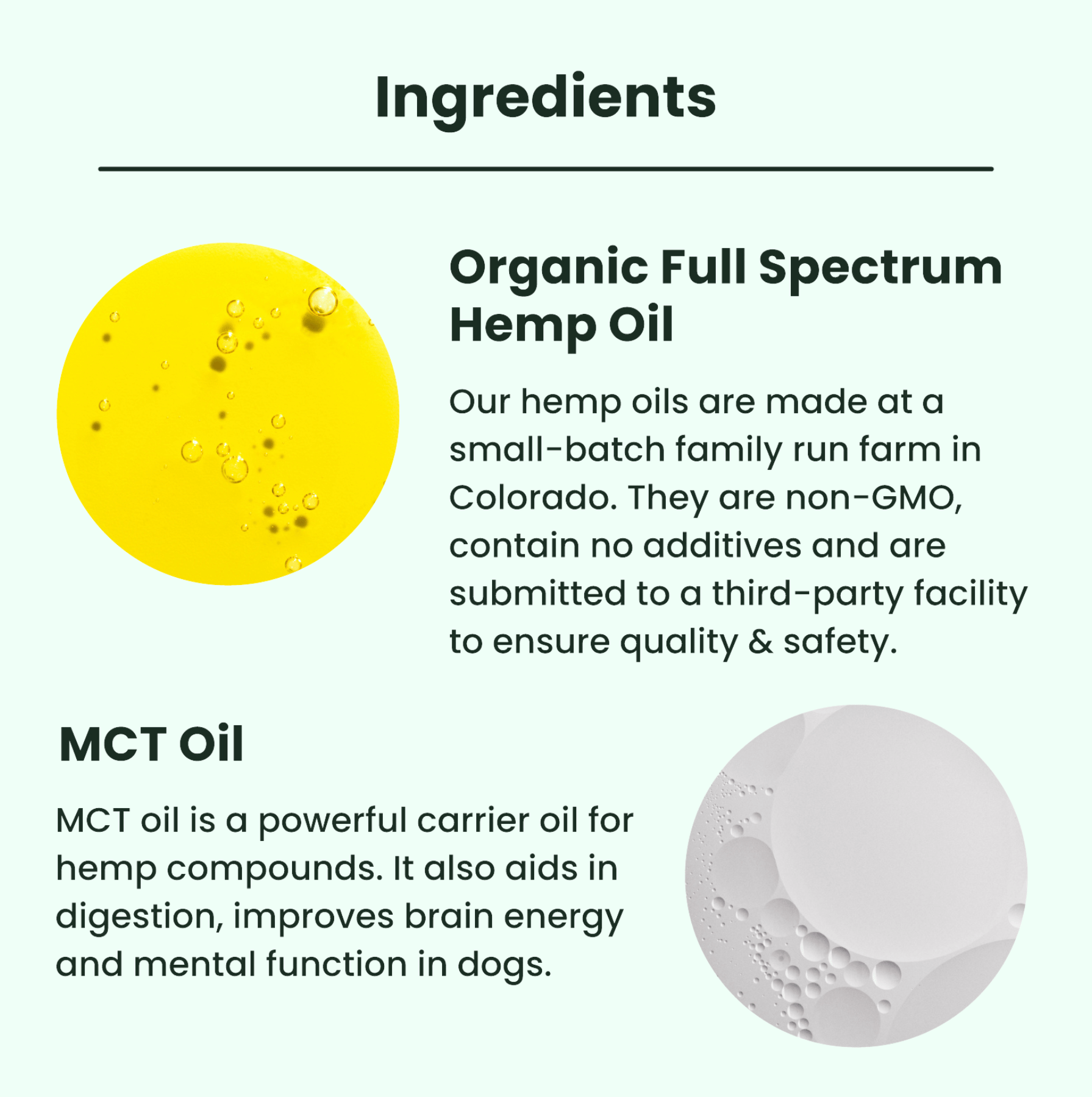
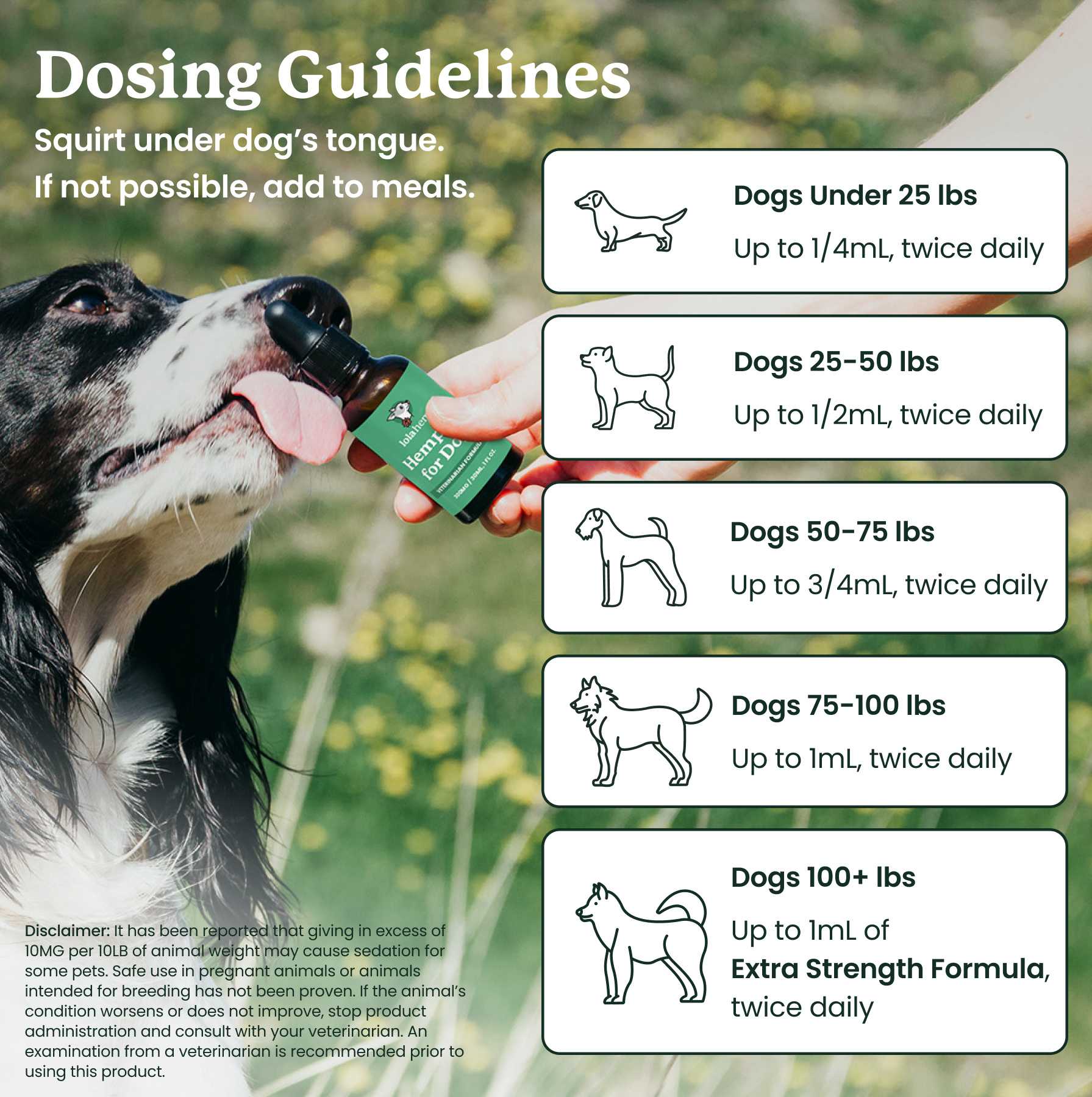
3. CBD Oil
CBD oil is gaining popularity as a natural remedy for various discomforts in dogs. Make sure to use CBD products specifically formulated for pets to ensure safety and proper dosing.
4. Turmeric Supplements
Turmeric contains natural anti-inflammatory properties that may support joint health. It’s safe in small doses and can be added to food or used in pet-specific oils.
5. Joint Supplements (Glucosamine & Chondroitin)
These supplements help promote joint health and may alleviate discomfort, especially for dogs with mobility issues. They are commonly available in pet stores or online.
Conclusion
While Tylenol, Ibuprofen, and even aspirin are convenient pain relief options in your home, they are not safe for your dog. Always talk with your veterinarian to explore options for your dog to relieve pain.
You can also explore some natural at-home remedies for discomfort in dogs, although home remedies aren't likely to be effective for significant pain in dogs.
Ibuprofen & Tylenol for Dogs: Frequently Asked Questions
Can dogs take ibuprofen or Tylenol?
No. Both ibuprofen and Tylenol are dangerous for dogs and can cause severe toxicity, organ damage, or death, even in small doses.
What should I do if my dog accidentally eats ibuprofen or Tylenol?
Seek emergency veterinary care immediately. Early treatment is critical to reduce the risk of kidney failure, liver damage, or fatal poisoning.
What symptoms indicate pain reliever toxicity in dogs?
Symptoms may include vomiting, diarrhea, loss of appetite, lethargy, abdominal pain, drooling, or dark-colored urine.
What pain medication can dogs safely take instead?
Dog-safe NSAIDs such as carprofen or meloxicam are typically recommended. Always consult your vet before giving any medication.
Are there safe at-home pain relief options for dogs?
Yes. Options like heating pads, cold compresses, CBD oil, turmeric, and joint supplements can help with mild discomfort when used properly.